Oussama Ammar
Why composability is key to Web 3.0
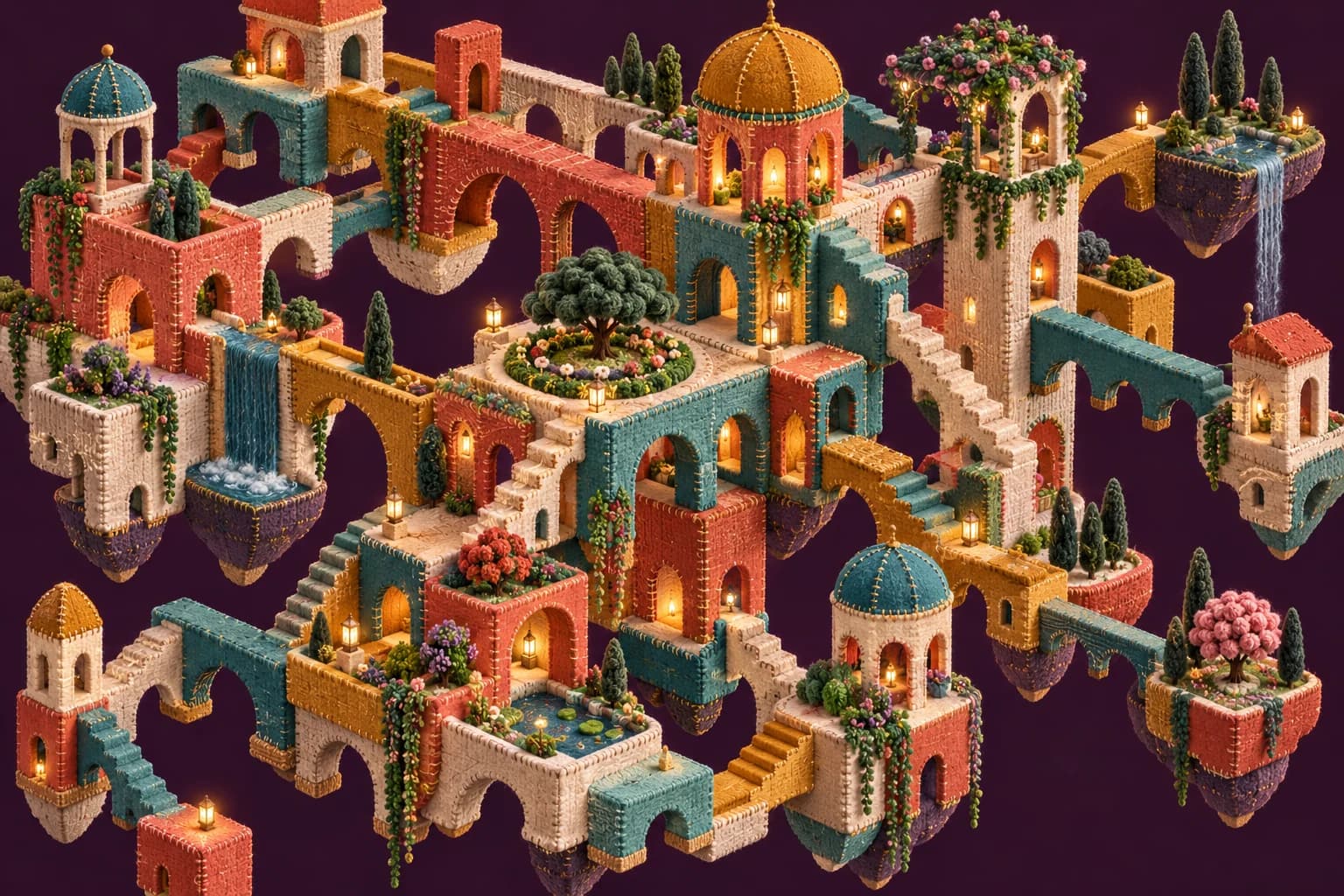
Composability is the part of the Web 3.0 argument that interests me most. Digital ownership matters, but the ability to combine shared building blocks is what lets other people turn a technology into something useful.
The World Wide Web was invented at CERN in 1989, originally conceived and developed for automated information-sharing between universities and institutes around the world. But CERN made a very specific choice in those early days and made it open source to maximise its spread and impact. The fact that everyone had access to it paved the way for the Internet to flourish and evolve into what it is today.
In software, composability means that components can be combined and reused. Open source can make that easier by letting people inspect, adapt, and build on the code. The appeal is practical: collaboration lets a team spend less time rebuilding foundations and more time improving what users receive.
In the crypto space, composability has already been the driving force behind its rapid growth and innovation. Even small teams can easily bootstrap their projects without having to build everything from scratch. Decentralised platforms offer the building blocks for developers to quickly get up to speed with their projects, and they provide a built-in global audience. In return, the platform’s ecosystem grows and flourishes. It’s a win-win. The key here is that while a lot of Web 2.0. tech giants think about innovation as a zero- sum game, Web 3.0. is all about WAGMI.
Combining games and financial mechanisms produced play-to-earn crypto games. That is one example of how shared building blocks can support experiments across industries. Whether an experiment lasts depends on what it offers its users.
Composability matters to users as well as developers. If someone can take an existing idea and make it better or leaner, more people benefit. Closed products and incompatible infrastructure make that harder. I care about systems in which improvements can travel from one team to another, instead of every team having to start over.
Originally published on Daedalium.