
Oussama Ammar
No passport needed: Launching in Internet Nation
There’s always been a huge tension with startups: do you launch locally or globally?
You hear both sides: you need to stay focused (local); you need to be ambitious (global); you have to move fast (local and global…).
One of the pieces of advice that comes out of that tension is to launch in a good market and see how it goes: in Europe, maybe that meant launching in the Netherlands or the UK, and then taking things from there.
I often joke about a nation that seems invisible to many people: Internet Nation.
What is Internet Nation? It’s the only nation with no border. It’s the nation where everyone speaks English (whether as a first, second, third, fourth language). It’s full of people who are young and ready to buy, people who see themselves as early adopters, people who like to try new things.
The good things with these citizens compared to the mainstream is that they are used to crappy products and not-really-ready betas…they get that it’s not perfect.
The useful thing is that almost every country has citizens of Internet Nation. Their concentration varies, but you should not mistake a national border for the edge of your audience. American, French, Italian or otherwise, these people can be found around the world.
So who should launch in Internet Nation? Not every company is compatible with Internet Nation, but there is an Internet Nation-compatible path for every new company. Sure, some products are definitely better than others. Virtual products (SaaS, social, etc.) may seem easier than physical products, but that doesn’t mean that a hardware startup can’t take advantage of this market. Just look at how Kickstarter gets backers coming from around the world…
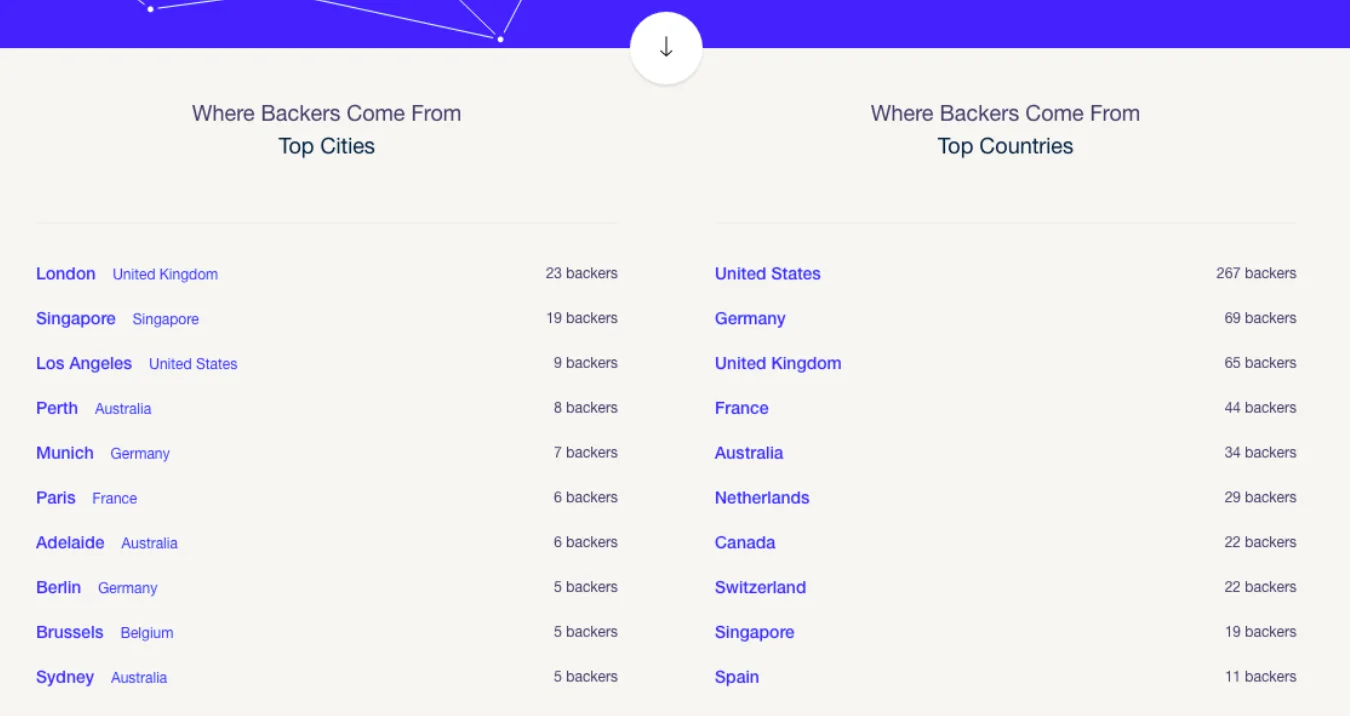
Hardware, software…you’re looking for fans, no matter where they come from
Afrostream offered a historical example of a product aimed directly at Internet Nation. It streamed films to a connected international audience with a shared sense of Black identity. Its organizing idea was Black cinema rather than French or American cinema, and its business decisions followed that idea.
If Internet Nation seems right for you, commit to it. I often see founders trying to serve that audience while giving equal attention to a local market. If Internet Nation is your choice, design the business around that choice.
That’s because Internet Nation has its own rules for going viral, for what it means to hack together a solution, and for what it means to feel attached to others who act and think like you do. Your branding and marketing needs to be designed for Internet Nation as a whole, not just for one particular country or region. You need to find things that everyone in the group can relate to, not just people in one specific location.
And that’s important to remember — Internet Nation is a homogeneity of culture, it’s not a multi-cultural melting pot. Yes, each person in it has their own particularities, their own story. But your product and your sales aren’t worried about that. You’re worried about what they all have in common: connected, eager, not caring where something comes from as long as it works. The existence of Internet Nation is a kind of victory for postmodern individualism: every person finds how they fit inside a common place.
Even your website should reflect this: if you’re aiming at Internet Nation, why would you have a physical address on your site? People are going to be talking to you by chat, email…what’s the point of saying where you’re from and instantly turning yourself into a local product?

Why do you need a mailing address when all anyone wants is your product?
Think about your workforce in the same way. Universal Avenue offered an early example of organizing work across borders. You can choose the team structure that suits your business.
Distributed online businesses have demonstrated this approach. During an earlier growth phase, StarOfService built a team of more than 120 people, many of whom had never met in person. Flat combined a worldwide audience for music scores with a team spread across different places. These are examples of organization, not a requirement to copy their exact structure.
These are just a few examples, but here’s the point: that old tension and debate about where to launch has a new, strong answer. Internet Nation is part of the world — use it :)
Originally published on Daedalium.