Oussama Ammar
Virtual Land must be free!
Facebook’s 2021 rebrand to Meta helped bring attention to the “metaverse”. The term covered different visions, from meetings between avatars to digital worlds built around shared experiences. The Sandbox illustrated a particular choice: a virtual world divided into limited parcels of land.
The Sandbox let landowners build and monetize gaming experiences. Snoop Dogg’s “Snoopverse” was a prominent example of the idea: a place built around a recognizable digital presence.
But while speculation pushed land prices close to $10.000 per parcel in the last quarter of 2021, it’s not entirely clear what the true value of these lands is. Despite being a virtual world, The Sandbox made some very strong choices in its core concept to share many features of the real world. While a metaverse could theoretically be limitless, The Sandbox proudly wears on its sleeves how scarce its lands and assets are.
The game purposefully mimics the real estate business of the physical world and constrains itself to create its virtual economy instead of embracing the limitless possibilities of a metaverse. Prices vary by location similarly to the real estate markets of major real-world cities with property buyers willing to pay a premium to be part of a vibrant ecosystem.
This is the vision speculative land buyers are buying into. During a digital gold rush, the expectation of future demand can lift prices long before there is much to do on the land.
In reality, The Sandbox took the problems of the real world and carried them over to a virtual one. In a metaverse, there’s no reason to create scarcity other than a lack of trust in the vision that what it offers is actually valuable. Creating artificial scarcity in an otherwise limitless virtual world can only have one purpose; to create a bubble.
Discussions of virtual land often circle around its inherent value. You can find vague statements on how similarly to real-life, people will be able to build offices and charge businesses to hold meetings in them. Great… We’re escaping exploitative landlords and nightmare-inducing cubicles just to do the same with a headset on.
It’s true that there’s going to be a lot of opportunities in the metaverse to monetize our lands, but if their number one purpose is to charge someone for something that should be free, it’s not exactly a winning formula. There’s a reason why pay-to-win features have sunk games and wrapped major gaming companies in controversy before. Nobody likes money grabs, and the gaming community understands more than anyone that scarcity in a virtual environment can only be artificial and unfair. Yet, it seems like The Sandbox and this approach to the metaverse are going all-in on recreating the old system of owners and renters, giving power to a small group of rich people / early adopters who can leech on the rest once mainstream adoption happens.
Unfortunately, that’s exactly what could halt mainstream adoption. If the value of land mainly comes from scarcity, location, and proximity to Snoop Dogg, then people barely have any incentive to spend time to develop their land. If people are just speculating on land prices, and trying to flip for a profit, then all we’re going to have around Snoopverse are undeveloped and uninspiring parcels of lands waiting for the last unlucky owners who’ll end up holding them when the propped up prices tank with the lack of user engagement.
In a virtual world, value should come from the time a user puts into developing a place and the quality of what they create there. Speculators who rely on artificial scarcity want the digital world to inherit the same constraints as the physical one.
So let’s crush their dreams. And build our own.
This is why a real metaverse should be built differently :
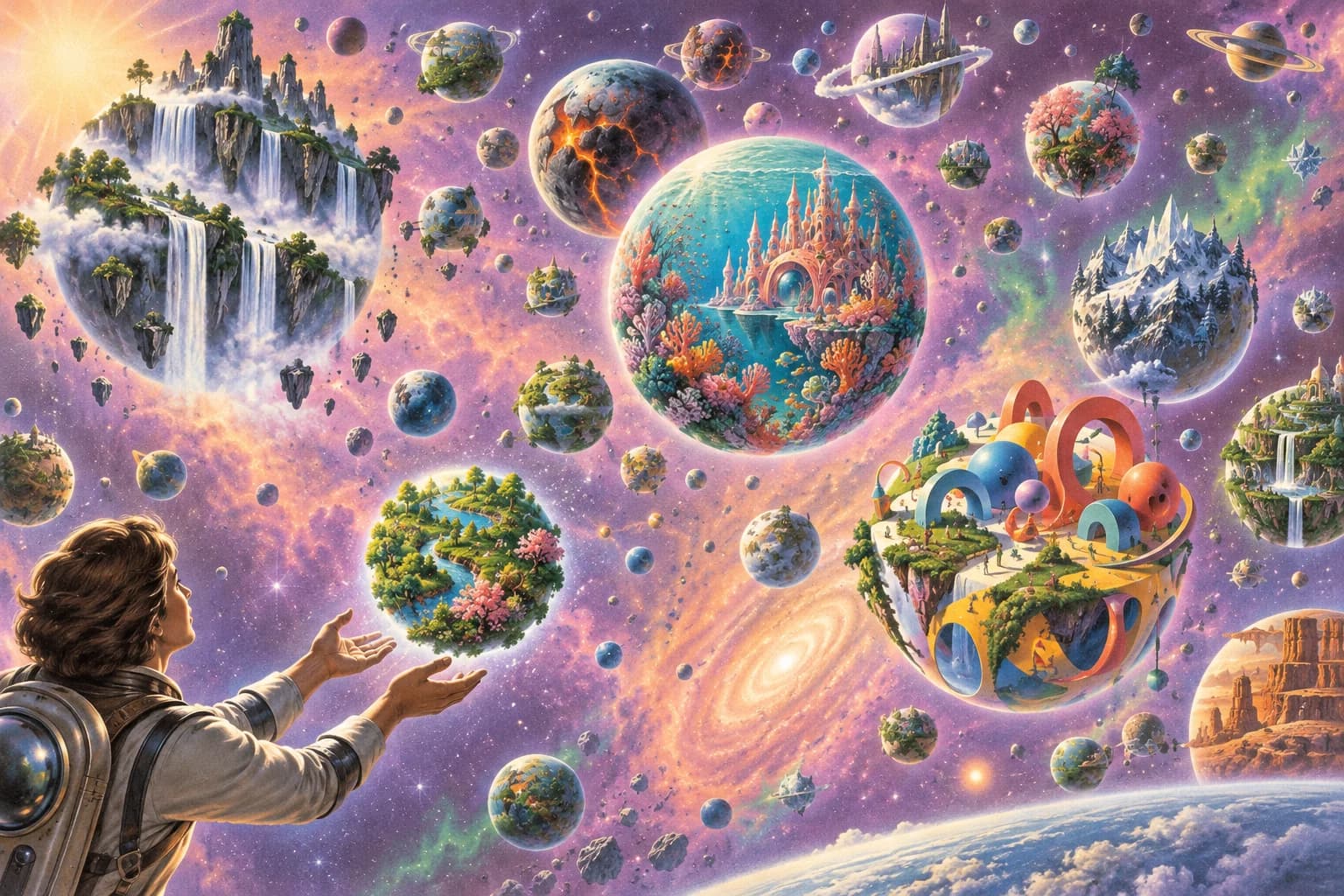
- Anyone can buy (mint) a land (or why not a planet?) ;
- This planet is any size you want, there is no restriction to the expansion of your planet ;
- You host your planet on your own server or in the cloud ;
- The planet receive a unique name as .xxx — you cannot choose a name that is already a trademark if you are not owner of this trademark ;
- You can make this planet publicly accessible, or to members only, or with a paying access — anything is possible in term of access, and manage by the open standard ;
- You can rent this planet after configuring it and decorating it to others users as a unique token or multiple token as you see feat ;
- You can sell the planet to others users and they can change it, adapt it and change the business model of how the planet is exploit ;
On this metaverse, we wants that the trait of value are driven by :
- Branding ;
- Art ;
- Proof of Work ;
- Talent ;
- Utility ;
Speculation is not a bad thing when it sustains an ecosystem that creates value. We should aim at destroying the bug of reality to make the virtual world a place of prosperous opportunities.
Originally published on Daedalium.